
Sitemap
A list of all the posts and pages found on the site. For you robots out there is an XML version available for digesting as well.
Pages
Posts
Future Blog Post
Published:
This post will show up by default. To disable scheduling of future posts, edit config.yml and set future: false.
Blog Post number 4
Published:
This is a sample blog post. Lorem ipsum I can’t remember the rest of lorem ipsum and don’t have an internet connection right now. Testing testing testing this blog post. Blog posts are cool.
Blog Post number 3
Published:
This is a sample blog post. Lorem ipsum I can’t remember the rest of lorem ipsum and don’t have an internet connection right now. Testing testing testing this blog post. Blog posts are cool.
Blog Post number 2
Published:
This is a sample blog post. Lorem ipsum I can’t remember the rest of lorem ipsum and don’t have an internet connection right now. Testing testing testing this blog post. Blog posts are cool.
Blog Post number 1
Published:
This is a sample blog post. Lorem ipsum I can’t remember the rest of lorem ipsum and don’t have an internet connection right now. Testing testing testing this blog post. Blog posts are cool.
portfolio
🖼️ Curation
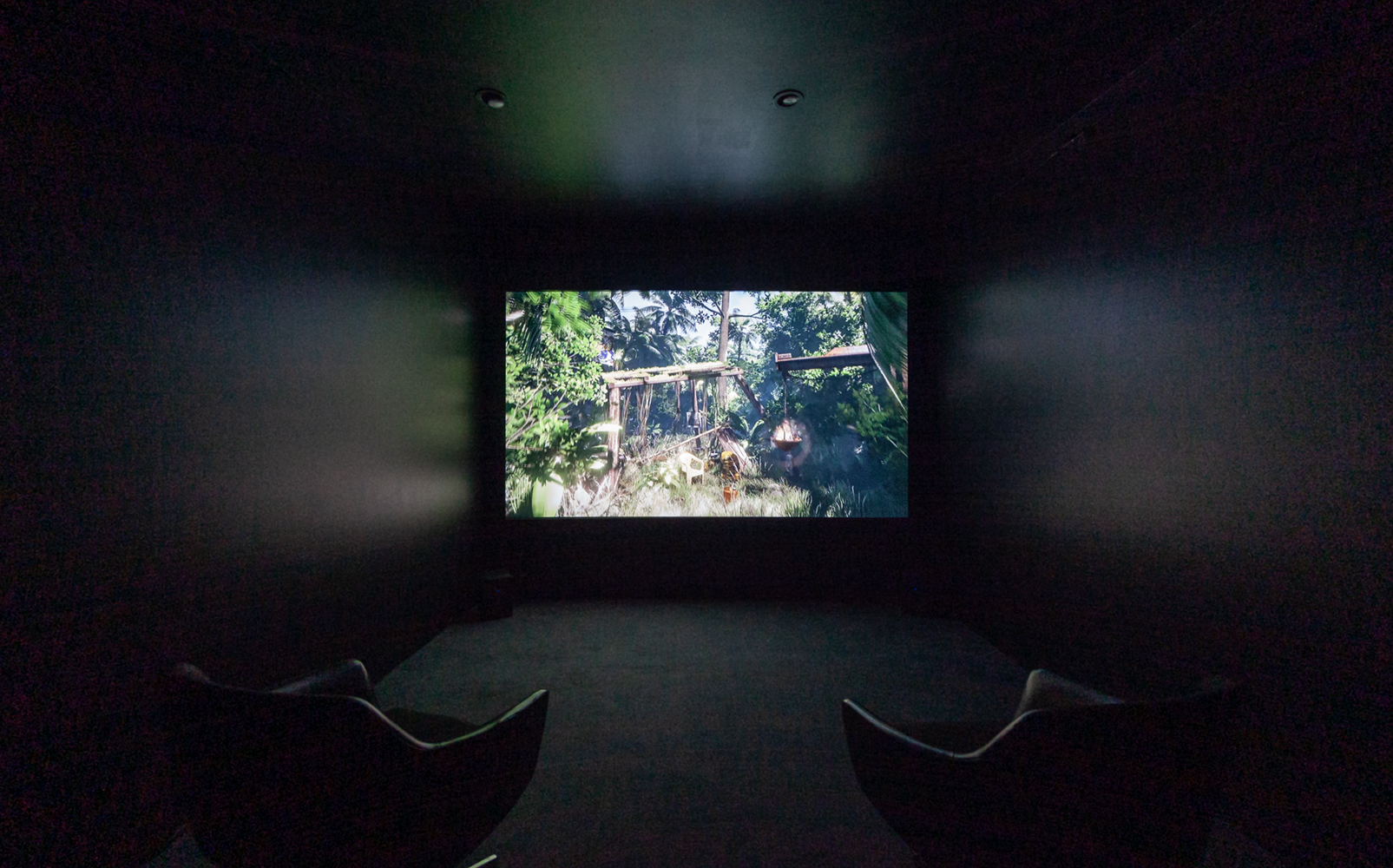
A selection of media art exhibitions that I have curated.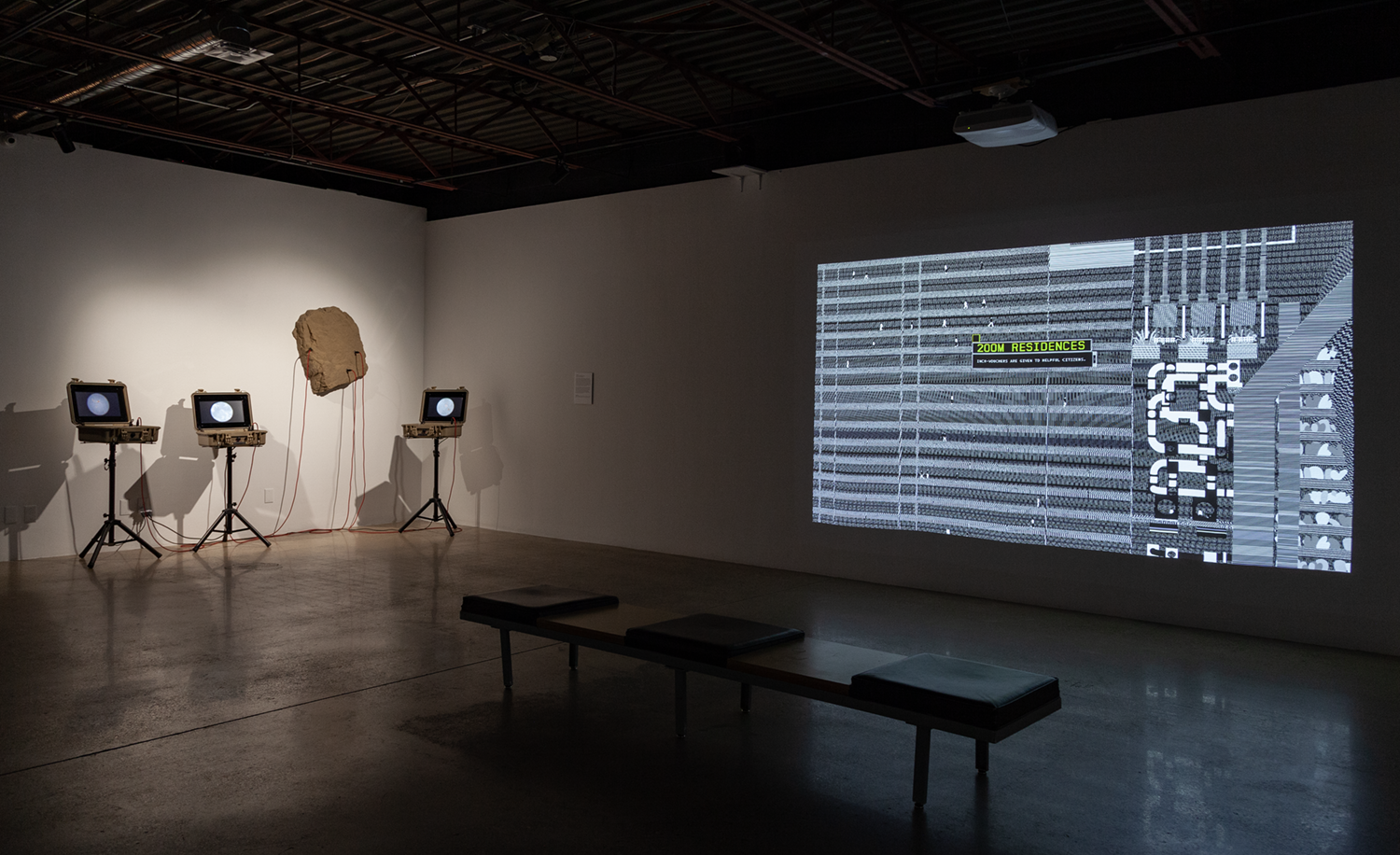
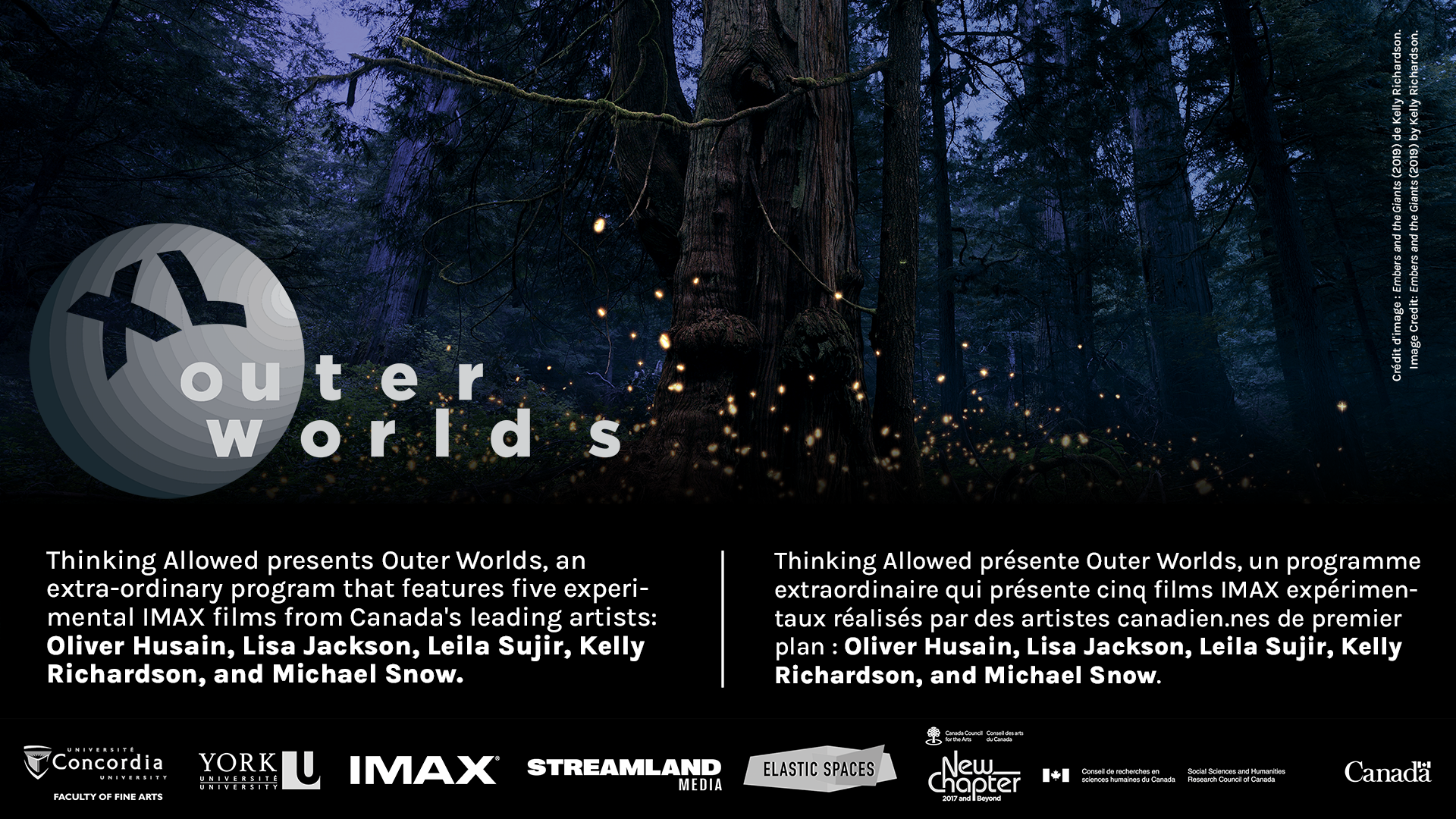
📐Design and Art Direction
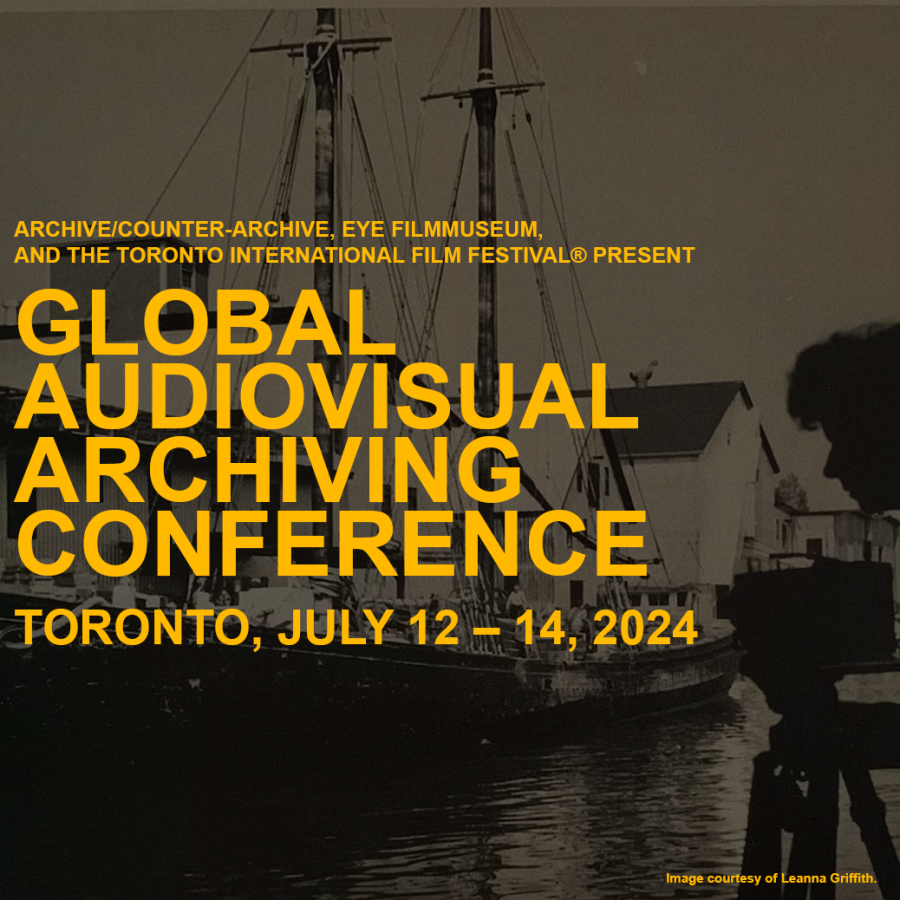
A selection of promotional assets (posters, slides, social media content, etc.) that I have designed or provided art direction for.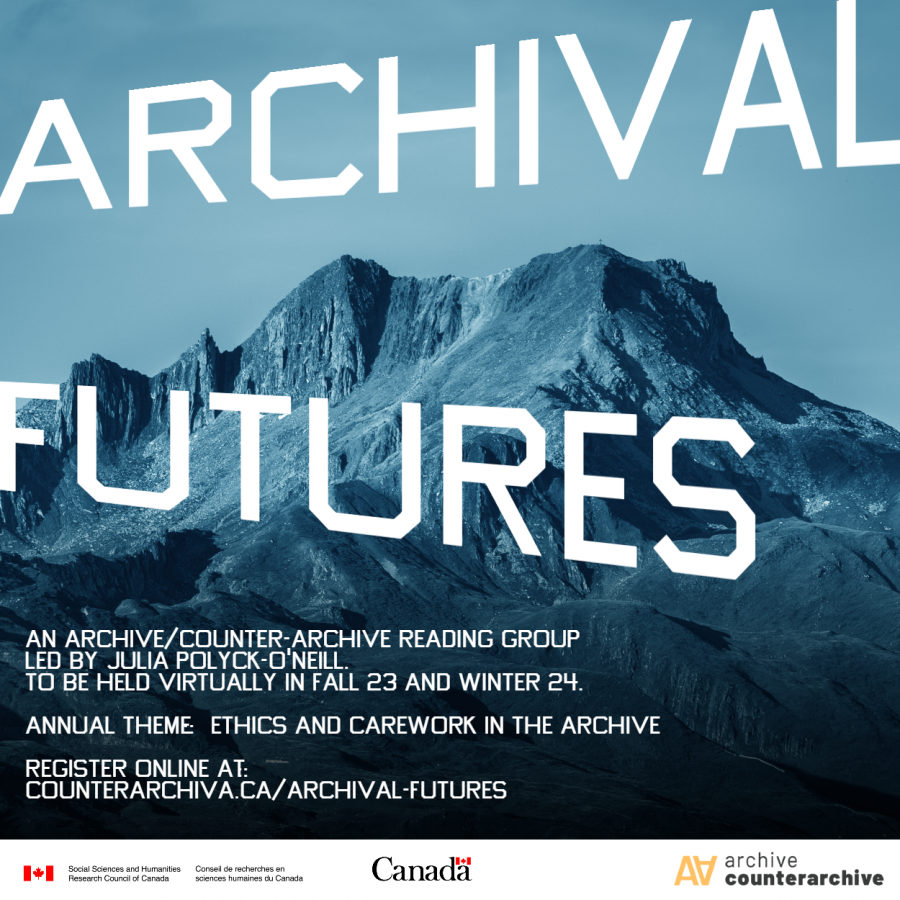
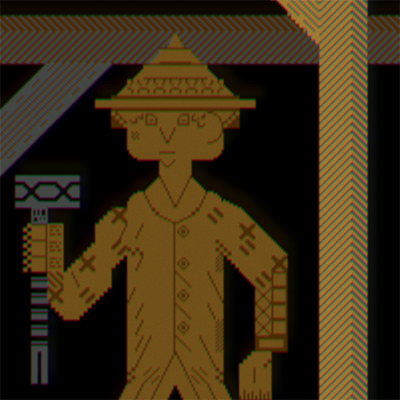
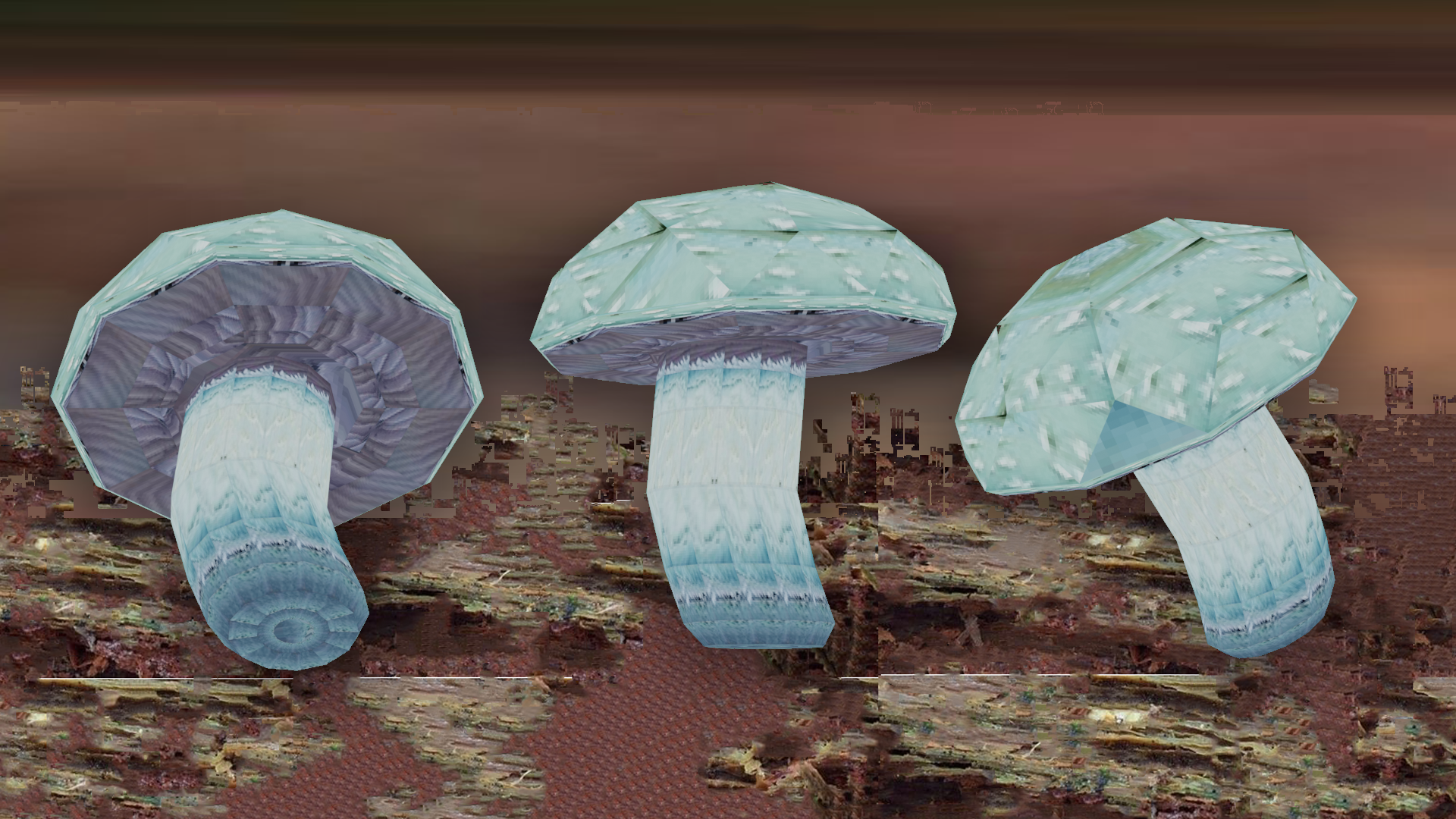
👨💻Digital Art
A selection of digital art projects and experiments that I have made while teaching myself new art and game development programs.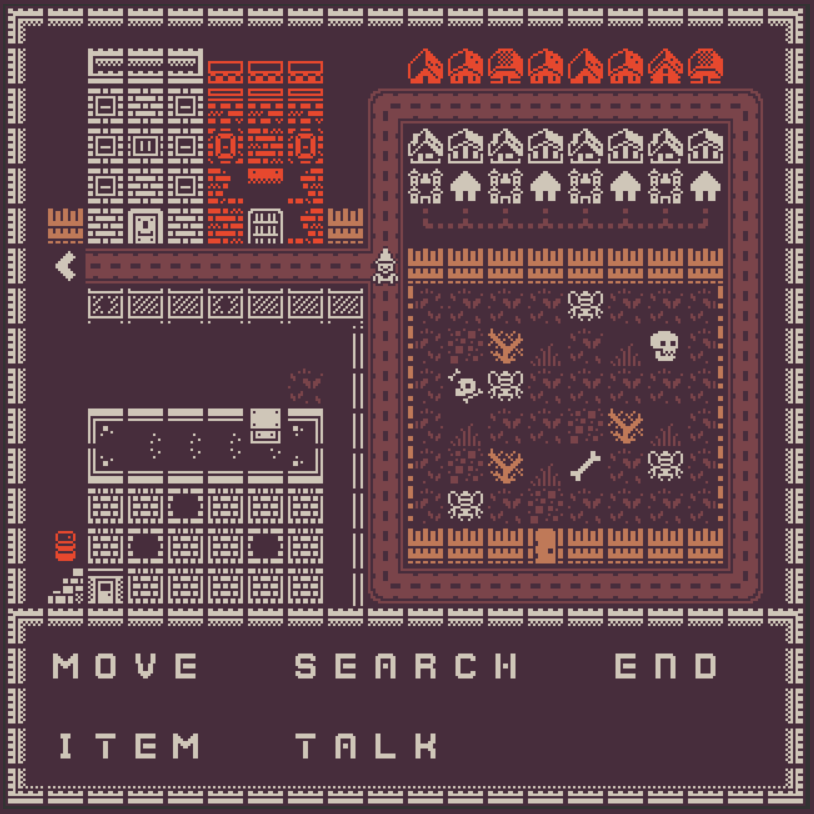
publications
🔎 Fantastic Places And Where To Find Them: Pseudo-Indexical Realities Within Video Games And Game Art
Published in The Video Game Art Reader, 2018
This is a paper written about the ecocritical VR installation work of media artist Jakob Kudsk Steensen. In it, I primarily focus on a piece titled Primal Tourism through the lens of Alenda Chang's arguments on ecomimetic videogames.
Recommended citation: Bailey, A. (2018). “Fantastic places and where to find them: Pseudo-indexical realities within video games and game art.” The VGA Reader, Issue 2. The Video Game Art Gallery. https://doi.org/10.3998/mpub.12471206
🐛 Authority of the Worm: Examining Parasitism within INSIDE and Upstream Color.
Published in Metacritic Journal for Comparative Studies and Literature, 2018
This is a paper written about how parasitism functions within Playdead's independent platform adventure game INSIDE and Shane Curruth's science fiction mystery art film Upstream Color.
Recommended citation: Bailey, A. (2018). “Authority of the worm: Examining parasitism within INSIDE and Upstream Color.” Metacritic Journal for Comparative Studies and Literature, Issue, 4.2. https://doi.org/10.24193/mjcst.2018.6.03
📹 Hauntological Remediation within P.T. and Resident Evil 7: The Beginning Hour
Published in First Person Scholar, 2018
This is a short essay written for the middle-state academic blog First Person Scholar on the use of nostalgic technologies and retro aesthetics within P.T. and Resident Evil 7: The Beginning Hour—two, at the time, relatively recent first-person horror videogames.
Recommended citation: Bailey, A. (18 July 2018). "Hauntological remediation within P.T. and Resident Evil 7: The Beginning Hour." First Person Scholar. The University of Waterloo. http://www.firstpersonscholar.com/hauntological-remediation/
🦵 Body Clusters, Counter-Play, and Game Art within Chris Kerich’s Piles.
Published in Mediascape: Journal of Cinema and Media Studies, 2019
This is an interview article with game art Chris Kerich about his piece Piles, which I first encountered while working for Vector Festival and InterAccess in 2018. The piece shows recorded gameplay of Kerich collecting and piling up all of the bodies of all the enemy or NPC character's bodies within a variety of videogames.
Recommended citation: Bailey, A. (2019). “Body clusters, counter-play, and game art within Chris Kerich’s Piles.” Mediascape: Journal of Cinema and Media Studies, Fall 2018 Issue, University of California https://web.archive.org/web/20200201151745/http://www.tft.ucla.edu/mediascape/Fall2018_BodyClusters.html
💖 Unforgotten Fantasies: Romantic Play within the Game Art of Angela Washko and Nina Freeman
Published in First Person Scholar, 2019
This is a short essay written for the middle-state academic blog First Person Scholar on the autobiographical creative practices of art game developer Nina Freeman and game artist/scholar Angela Washko.
Recommended citation: Bailey, A. (26 June 2019). "Unforgotten fantasies: Romantic play within the game art of Angela Washko and Nina Freeman," First Person Scholar. The University of Waterloo. http://www.firstpersonscholar.com/unforgotten-fantasies/
🚶🏻♀️ Shifting Borders: Walking Simulators, Artgames, and the Categorical Compulsion of Gaming Discourse
Published in Press Start Journal, 2019
This is a paper written about the walking sim genre through the lens of game studies scholarship on art games and game art. The paper directly compares Bill Viola's game art installation The Night Journey with Connor Sherlock's "Walking Simulator A Month Club."
Recommended citation: Bailey, A. (2019). “Shifting borders: Walking simulators, artgames, and the categorical compulsion of gaming discourse.” Press Start Journal, The University of Glasgow. https://press-start.gla.ac.uk/index.php/press-start/article/view/135
🦋 The Museum and the Killing Jar: How Animal Crossing’s Insects Reveal Videogames’ Object Afterlife
Published in Loading: The Journal of the Canadian Game Studies Association, 2020
This is a paper written about how collecting functions with the Animal Crossing series and how the mechanic is related to the inclusion of an in-game museum. I then use this virtual museum as a way of looking at how the history of insect collecting informed Animal Crossing's collection mechanics and how the game can be used to look at how videogames are collected within real-world museums.
Recommended citation: Bailey, A. (2021). “The Museum and the Killing Jar: How Animal Crossing’s insects reveal videogames’ object afterlife.” Loading: The Journal of the Canadian Game Studies Association, Winter 2020, Vol. 13, No. 21. https://doi.org/10.7202/1075260ar
😷 Critical Compilation: Pathologic
Published in Critical Distance, 2020
This is a literature review article written for the academic games journalism site Critical Distance on the 2005 survival game Pathologic developed by Ice-Pick Lodge Games.
Recommended citation: Bailey, A. (1 July 2020). "Critical compilation: Pathologic," Critical Distance. https://critical-distance.com/2020/07/01/pathologic/
🌏 Living Narrative Worlds: Assemblage and Multistability within Ian Cheng’s Emissaries trilogy
Published in Multidisciplinary Perspectives on Narrative Aesthetics in Video Games, 2021
In this chapter, I analyze how automatism and AI influence videogame ontology and aesthetics through Ian Cheng’s game art trilogy Emissaries (2015-2017). By situating Emissaries alongside other self-playing or open-ended simulation games and live service games, I aim to explore videogames as nonhuman or posthuman assemblages, challenging the notion that games are merely reactive systems dependent on human agency.
Recommended citation: Bailey, A. (2020) "Living narrative worlds: Assemblage and multistability within Ian Cheng’s Emissaries trilogy," in Multidisciplinary Perspectives on Narrative Aesthetics in Video Games, edited by Deniz Eyuce Sansal, and Deniz Denizel, Peter Lang Group. https://doi.org/10.3726/b18052
⚙️ Stealth Algorithms: Hito Steyerl’s Encoding Of Metal Gear into her Factory Of The Sun
Published in The Video Game Art Reader, 2022
This essay examines how Hito Steyerl’s video art installation Factory of the Sun (2015) intertextually references Hideo Kojima’s Metal Gear games as a way to discuss how computational algorithms function as tools of control within the contexts of World War II, the Cold War, and the contemporary stock market.
Recommended citation: Bailey, A. (2022). “Stealth algorithms: Hito Steyerl’s encoding Of Metal Gear into her Factory Of The Sun.” The VGA Reader, Issue 3. The Video Game Art Gallery. https://doi.org/10.3998/mpub.12471295
👻 Ghastly Graphics: Tool Fandom, Bad Cinema, and the Haunted PS1 Game Development Community
Published in The International Journal of Creative Media Research, 2023
In this paper, my co-author, Patrick Dolan, and I explore how the Haunted PS1 community nostalgically recreates PS1-era game aesthetics and celebrates “low-poly horror” through collaborative indie game development. By examining the use of tools like “The Haunted PSX Render Pipeline,” we investigate the connections between this DIY game-making practice and other nostalgic creative practices, such as zine-making and underground horror films.
Recommended citation: Dolan, P., and Bailey, A. (2023). “Ghastly Graphics: Tool Fandom, Bad Cinema, and the Haunted PS1 Game Development Community.” In “Digital Nostalgia in/as Contemporary Creative Practice,” a special issue of the International Journal of Creative Media Research, guest edited by Bethany Lamont (Bath Spa University) and Beth Wakefield. https://theijcmr.wixsite.com/website-2/post/ghastly-graphics-tool-fandom-bad-cinema-and-the-haunted-ps1-game-development-community
💡 Half-light Histories: Exploring the Experimental Realism of Kentucky Route Zero and Disco Elysium
Published in Ready Reader One: The Stories We Tell About, With, and Around Videogames, 2024
In this chapter, I examine how Kentucky Route Zero and Disco Elysium metatextually represent the histories of computing and videogames, using experimental storytelling to highlight their origins. By analyzing these narratives, I argue that videogames have the potential to remediate their own histories, linking them to broader histories of art and technology.
Recommended citation: Bailey, A. (2024) “Half-light histories: Exploring the experimental realism of Kentucky Route Zero and Disco Elysium” In Ready Reader One: The Stories We Tell About, With, and Around Videogames, edited by Megan Condis and Mike Sell, Louisiana State University Press. https://lsupress.org/9780807180891/ready-reader-one/
🌿 Object Gardens
Published in PAVED Meant Vol. 5, 2024
The curatorial essay for Object Gardens, an exhibition of ecocritical game art installations that I curated at PAVED Arts in Saskatoon in the summer of 2023 featuring the work of Peter Burr, Anna Eyler and Nicolas Lapointe, and Jakob Kudsk Steensen. Theoretically, the exhibition was inspired in large part by the recent texts by figures like Donna Haraway, Timothy Morton, and Jeff Vandermeer.
Recommended citation: Bailey, A. (2024). Object gardens. In PAVED Meant Vol. 5 (2021-2023), edited by David LaRiviere. PAVED Arts. https://www.pavedarts.ca/paved-meant-vol-5-2021-2023/ https://www.pavedarts.ca/paved-meant-vol-5-2021-2023/
👹A Devious Archive: The Affective Historicity and Paratextual Russian Folkloristics of Black Book
Published in Central and Eastern European Histories and Heritages in Video Games, 2024
In this chapter, I explore the diverse folkloristic archiving in the Slavic mythology-themed RPG Black Book and how it creates authentic heritage experiences despite historical inaccuracies. Comparing the influence of formal institutions with amateur analyses on Steam forums, I argue that historical horror games like Black Book act as “devious archives,” offering subjective and interactive connections to history.
Recommended citation: Bailey, A. (2024). “A devious archive: The affective historicity and paratextual Russian folkloristics of Black Book.” In Central and Eastern European Histories and Heritages in Video Games, edited by Michał Mochocki, Paweł Schreiber, Jakub Majewski, Yaraslau I. Kot, Routledge. https://www.taylorfrancis.com/chapters/edit/10.4324/9781003461326-5/devious-archive-andrew-bailey
🧙♂️ Edit Wands Always: Experimentation, Modding, and Metagaming in Noita
Published in The Rise of the Roguelite: The Influence of Roguelikes on Contemporary Video Games, 2025
In this chapter, I analyze the balance between difficulty and experimental customization in the roguelike game Noita and its popular mods. I argue that many players are more drawn to modifying their gameplay experience and spells than to the game's traditional challenge, highlighting the productive synergy between modding and in-game tinkering.
Recommended citation: Bailey, A. (2025).“Edit Wands Always: Experimentation, Modding, and Metagaming in Noita.” In The Rise of the Roguelite: The Influence of Roguelikes on Contemporary Video Games, edited by James Cartlidge, Bloomsbury. https://doi.org/10.1201/9781003415473
⛪ The Counter-Archival Potential of SpekWork’s Assassin’s Creed Art History (forthcoming)
Published in The Video Game Art Reader, 2025
In this paper, I comparatively analyze SpekWork's Assassin's Creed Art History series of essayistic art games through the lens of historical game studies scholarship on interactive archives. I also work to introduce the theory of counter-archival art as a useful tool for the field of game studies to use when examining historically-focused art games and game art.
Recommended citation: Bailey, A. (2025). The Counter-Archival Potential of SpekWork’s Assassin’s Creed Art History. In The Video Game Art Reader Volume 5, the VGA Gallery and Amherst College Press.
🩸 Demade by the Blood: Bloodborne PSX at a crossroads of horror fandoms (forthcoming)
Published in Researching Horror Fans and Audiences in the Twenty-First Century, 2025
In early 2022, Bloodborne PSX, a demake of the original Bloodborne, captured the attention of media and fans by reimagining the game with PlayStation 1 aesthetics and gameplay. This chapter examines the intersection of Soulsborne and Haunted PS1 fandoms, exploring their shared appreciation for challenging gameplay and retro horror aesthetics, and investigates the fan response to Bloodborne PSX to uncover the dynamics within these communities.
Recommended citation: Bailey, A., and Dolan, P. (2024). “Demade by the Blood: Bloodborne PSX at a crossroads of horror fandoms.” In Researching Horror Fans and Audiences in the Twenty-First Century, edited by James Rendell and Kate Egan, Edinburgh University Press
⛰️ Kaizo Ascent: Celeste and Difficult Level Design as Community Practice. (forthcoming)
Published in The Effects of Community on Game Play and Design, 2025
This chapter explores the mutual influence between Celeste’s developers and the Kaizo ROM hacking community, highlighting how their shared practices of modding, speedrunning, and open-source development contribute to the evolution of the precision platformer genre. It argues that examining these community-driven design practices reveals how fan creativity shapes commercial game development, fostering dynamic relationships between developers and niche player communities.
Recommended citation: Bailey, A. (2026). “Kaizo Ascent: Celeste and Difficult Level Design as Community Practice.” In The Effects of Community on Game Play and Design. Edited by Kevin Veale and Adam Jerrett.
🗺️ Factional History: Tracing the Cultural Coding of Total War: Warhammer 3’s “Immortal Empires” Map (forthcoming)
Published in Depictions of Power: Strategy and Management Games, 2026
In early 2022, Creative Assembly released Total War: Warhammer 3, introducing new factions inspired by Russian, Chinese, and Mongolian empires and a new game mode, “Immortal Empires,” which connected all previous factions into a cohesive world. This chapter explores how these elements synthesize historical gaming and video game history, examining the implications of ethnic coding and racial representations within the game, and the challenges of mapping a fantasy world to real-world cultures.
Recommended citation: Bailey, A. (2024). “Factional History: Tracing the Cultural Coding of Total War: Warhammer 3’s “Immortal Empires” Map.” In Depictions of Power: Strategy and Management Games, edited by Simon Dor, Bloomsbury
🐙 Cosmic Canvases: The Lovecraftian Legacy of Giger and Beksiński in Scorn and Indie Horror Game Design (forthcoming)
Published in Eldritch: New Critical Developments in the Lovecraftian Mythos, 2026
This is an upcoming chapter that examines a growing trend where indie horror game developers are appropriating the iconography and visual style of visual artists who have been historically associated with cosmic horror and weird fiction. I align this practice with the legacy of the games-as-art debate and scholarship on the cultural legitimation of games as well as research on how aesthetic genres are defined and changed over time.
Recommended citation: Bailey, A. (2026). “Cosmic Canvases: The Lovecraftian Legacy of Giger and Beksiński in Scorn and Indie Horror Game Design.” In Eldritch: New Critical Developments in the Lovecraftian Mythos, edited by David K. Goodin, Lang Publishing.
🍄 Scarlet Rot at the End of the World: Fans Searching for Mycological Authenticity within Elden Rings Cosmic Horror (forthcoming)
Published in The Palgrave Handbook of Fungal Horror in Popular Culture, 2026
This forthcoming chapter explores the lore-crafting community of Elden Ring and their use of realism, particularly through amateur mycological analysis, to enhance the game’s world-building, focusing on the Scarlet Rot blight and its fungal manifestations. By examining fan-produced paratexts, it reveals how these interpretations reflect broader cultural anxieties about decay, environmental collapse, and cosmic horror.
Recommended citation: Bailey, A. (2026). “Scarlet Rot at the End of the World: Fans Searching for Mycological Authenticity within Elden Rings Cosmic Horror.” In The Palgrave Handbook of Fungal Horror in Popular Culture. Edited by Katarina Gregersdotter and Berit Astrom. Palgrave Macmillan.
👨🏫 From Mods to Memories: Teaching Game History and Culture through the Paratextual Archive. (forthcoming)
Published in Open Screens, 2026
This upcoming article presents a framework for using paratextual game archives—fan art, mods, and design notes—to teach game studies, using Celeste as a case study. It highlights how queer fan communities and developer paratexts create “living archives,” fostering critical engagement with games as cultural artifacts.
Recommended citation: Bailey, A. (2026). “From Mods to Memories: Teaching Game History and Culture through the Paratextual Archive.” In “Teaching Video Games in the Humanities: New Media, New Pedagogies,” a special issue of Open Screens, guest edited by Iris Kleinecke-Bates and Marta F Suarez
📂 Playful Records: Counter-Archival Game Art and Videogame Collections (forthcoming)
Published in Amsterdam University Press's Games and Play series, 2026
This book project argues that counter-archival theory offers a novel and necessary framework for game studies, providing tools to critically examine how historically focused art games and game art challenge dominant narratives in both gaming culture and traditional history. It further asserts that counter-archival theory expands discussions of videogame archives by addressing how race, gender, sexuality, and colonialism shape the historical infrastructure of these collections, offering decolonial, feminist, queer, and anticapitalist perspectives alongside existing media archeological methods.
Recommended citation: Bailey, A. (2026). Playful Records: Counter-Archival Game Art and Videogame Collections. Amsterdam University Press.
talks
Talk 1 on Relevant Topic in Your Field
Published:
This is a description of your talk, which is a markdown files that can be all markdown-ified like any other post. Yay markdown!
Conference Proceeding talk 3 on Relevant Topic in Your Field
Published:
This is a description of your conference proceedings talk, note the different field in type. You can put anything in this field.
teaching
💽 FA/ARTH 3999 - New Media Art: From Duchamp To The Postdigital
Online undergraduate seminar, York University, Visual Arts and Art History Department, 2021
A second-year undergraduate online lecture focused on introducing the history of new media art to students. Assessment methods included weekly discussion board entries, reading responses, key term quizzes, a group presentation, and a final take-home exam.
🎮 VISM 2003 - Introduction to Game Studies (Fall 2021)
Online undergraduate lecture, OCAD University, Faculty of Arts and Sciences, 2021
A second-year undergraduate in-person lecture focused on introducing the field of game studies to students. Assessment methods included a reading response, a game analysis essay (written or recorded/video), an essay proposal (and accompanying annotated bibliography), and a final research essay (written or recorded/video).
🎮 VISM 2003 001 & 002 - Introduction to Game Studies (Winter 2022)
In-person undergraduate lectures, OCAD University, Faculty of Arts and Sciences, 2022
In Winter 2022, I taught two identical iterations of the same second-year undergraduate online game studies lecture. Assessment methods included reading responses, key term quizzes, a game analysis essay (written or recorded/video), and a final take-home exam.
📺 VISM 2002 - History of New Media Art
In-person undergraduate lectures, OCAD University, Faculty of Arts and Sciences, 2022
A second-year undergraduate online lecture focused on introducing the history of new media art to students. Assessment methods included reading responses, key term quizzes, a visual analysis essay (written or recorded/video), and a final take-home exam.
🎮 VISM 2003 - Introduction to Game Studies (Fall 2022)
In-person undergraduate lecture, OCAD University, Faculty of Arts and Sciences, 2022
A second-year undergraduate in-person lecture focused on introducing the field of game studies to students. Assessment methods included a reading response, an essay proposal (and accompanying annotated bibliography), key term quizzes, a game analysis essay (written or recorded/video), and a final research essay (written or recorded/video).
🎮 VISM 2003 - Introduction to Game Studies (Winter 2023)
In-person undergraduate lecture, OCAD University, Faculty of Arts and Sciences, 2023
A second-year undergraduate in-person lecture focused on introducing the field of game studies to students. Assessment methods included multiple reading responses, a discussion leader presentation, and two take-home exams.
📽️ FILM 4711 - Issues in Film Historiography
In-person undergraduate seminar, York University, Cinema and Media Arts Department, 2023
A fourth-year undergraduate in-person seminar focused on the politics of film archiving. Assessment methods included reading presentations, graded discussion boards, a project proposal, a Zotero-based annotated bibliography, and a final research production project (zine, online exhibition, podcast, or video essay).
👾 MEDIAART 3KO3 - Game Studies (Fall 2023)
In-person undergraduate lecture, McMaster University, Communication and Media Arts Department, 2023
A third-year undergraduate in-person lecture focused on introducing the field of game studies to students. Assessment methods included reading presentations, a weekly game analysis journal, a project proposal, an annotated bibliography, and a final research production project (game prototype, podcast, or video essay).
🎮 VISM 2003 - Introduction to Game Studies (Winter 2024)
In-person undergraduate lecture, OCAD University, Faculty of Arts and Sciences, 2024
A second-year undergraduate in-person lecture focused on introducing the field of game studies to students. Assessment methods included a weekly game analysis journal, a reading response, two take-home exams, and a research essay (written or video/recorded).
🎮 VISM 2003 - Introduction to Game Studies (Summer 2024)
Online undergraduate lecture, OCAD University, Faculty of Arts and Sciences, 2024
A condensed second-year undergraduate online lecture that took place during the Spring/Summer semester. Aimed at introducing students to the field of game studies and the many different subfields and methodologies that compose it. Assessment methods included a game analysis journal, a project proposal (with accompanying annotated bibliography), a research project (written essay, zine, podcast, video essay, or game prototype), and a final take-home exam.
📼 GS/FILM 5700 - Global Audiovisual Archiving Summer Institute (Summer 2024)
Online graduate seminar, York University, Cinema and Media Arts Department, 2024
This is a condensed Summer Institute-style graduate seminar course that I co-directed with Drs. Janine Marchessault and Michael Zryd. The course features a number of curators, artists, archivists, and scholars associated with the Archive/Counter-Archive SSHRC Partnership Grant and the 2nd Global Audiovisual Archiving Conference as guest speakers to talk about their work with archival film and film heritage. This course was open to graduate students from York University and beyond to register for as either a credited or audited course.
🎮 VISM 2003 - Introduction to Game Studies (Fall 2024)
In-person undergraduate lecture, OCAD University, Faculty of Arts and Sciences, 2024
A second-year undergraduate in-person lecture (~90 students) focused on introducing the field of game studies to students. Assessment methods included weekly discussion boards, a project proposal, a prerecorded research presentation, a research project (zine, game prototype, podcast, or video/written essay), and a take-home exam.
🎮 VISM 2003 - Introduction to Game Studies (Winter 2025)
Online undergraduate lecture, OCAD University, Faculty of Arts and Sciences, 2025
A second-year undergraduate online lecture (~90 students) focused on introducing the field of game studies to students. Assessment methods included weekly game analysis journal entires, multiple choice quizzes, a proposal brainstorming assignment, a formal project proposal, a video annotated bibliography, a research project (zine, game prototype, video essay, podcast, or written essay).
🎮 VISM 2003 - Introduction to Game Studies (Spring/Summer 2025)
Online undergraduate lecture, OCAD University, Faculty of Arts and Sciences, 2025
A second-year undergraduate online lecture (~150 students) focused on introducing the field of game studies to students. Assessment methods included weekly reading annotation assignments, multiple choice quizzes, a proposal brainstorming assignment, a recorded video proposal, a research project (zine, game prototype, video essay, podcast, or written essay).